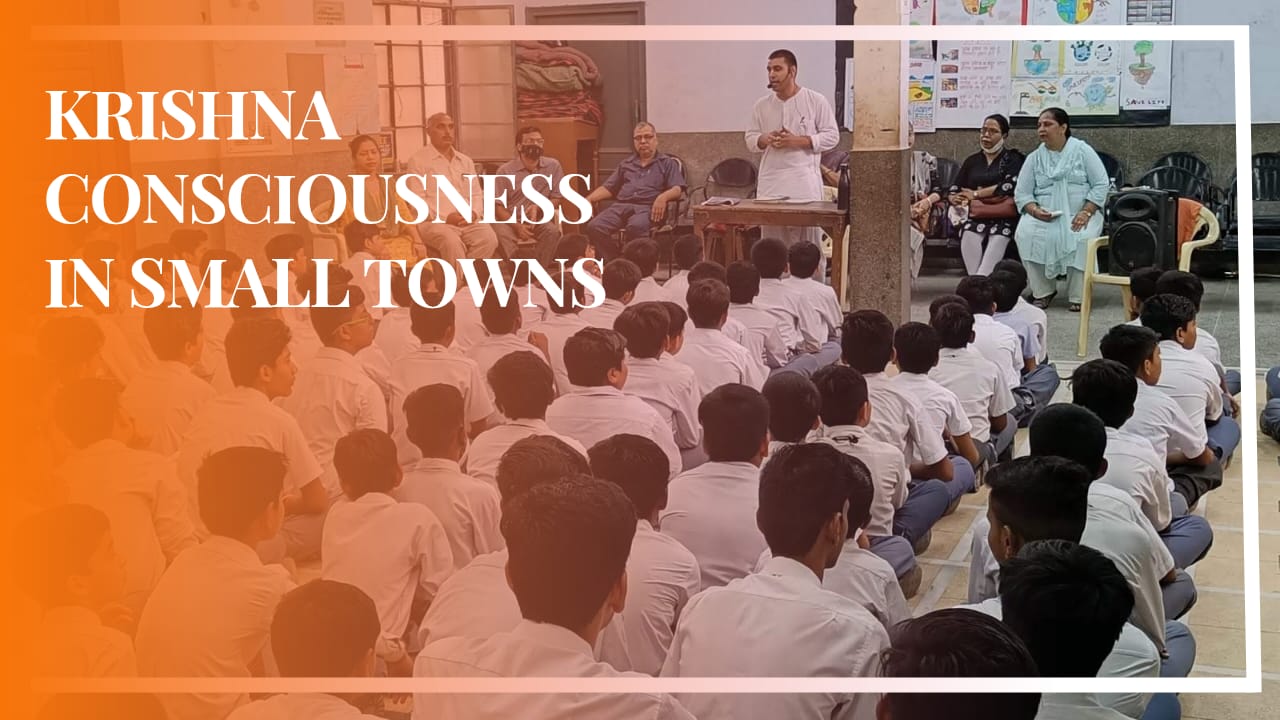
A Transformative Initiative by IYF Bareilly
In the quiet, growing towns of Uttar Pradesh HG Anadi Kesava Prabhu has been steadily nurturing the devotional lives of young men, many of whom come from simple, faith-centred backgrounds. While their natural devotion to Krishna is already present, sincere and organized guidance has given their spiritual lives greater direction, stability, and depth.
These efforts are centred at the youth wing of ISKCON Bareilly and have gradually expanded beyond the city. What began as a local initiative has now touched nearby towns such as Ballia and Pilibhit, and even distant places like Gorakhpur and Kushinagar.
The expansion of this outreach has been entrusted to HG Anadi Kesava Prabhu, who joined IYF Bareilly in 2021 under the guidance of HG Sundar Gopal Prabhu. His prior service in IYF Gurugram has helped strengthen and systematically expand the youth outreach efforts across the region.
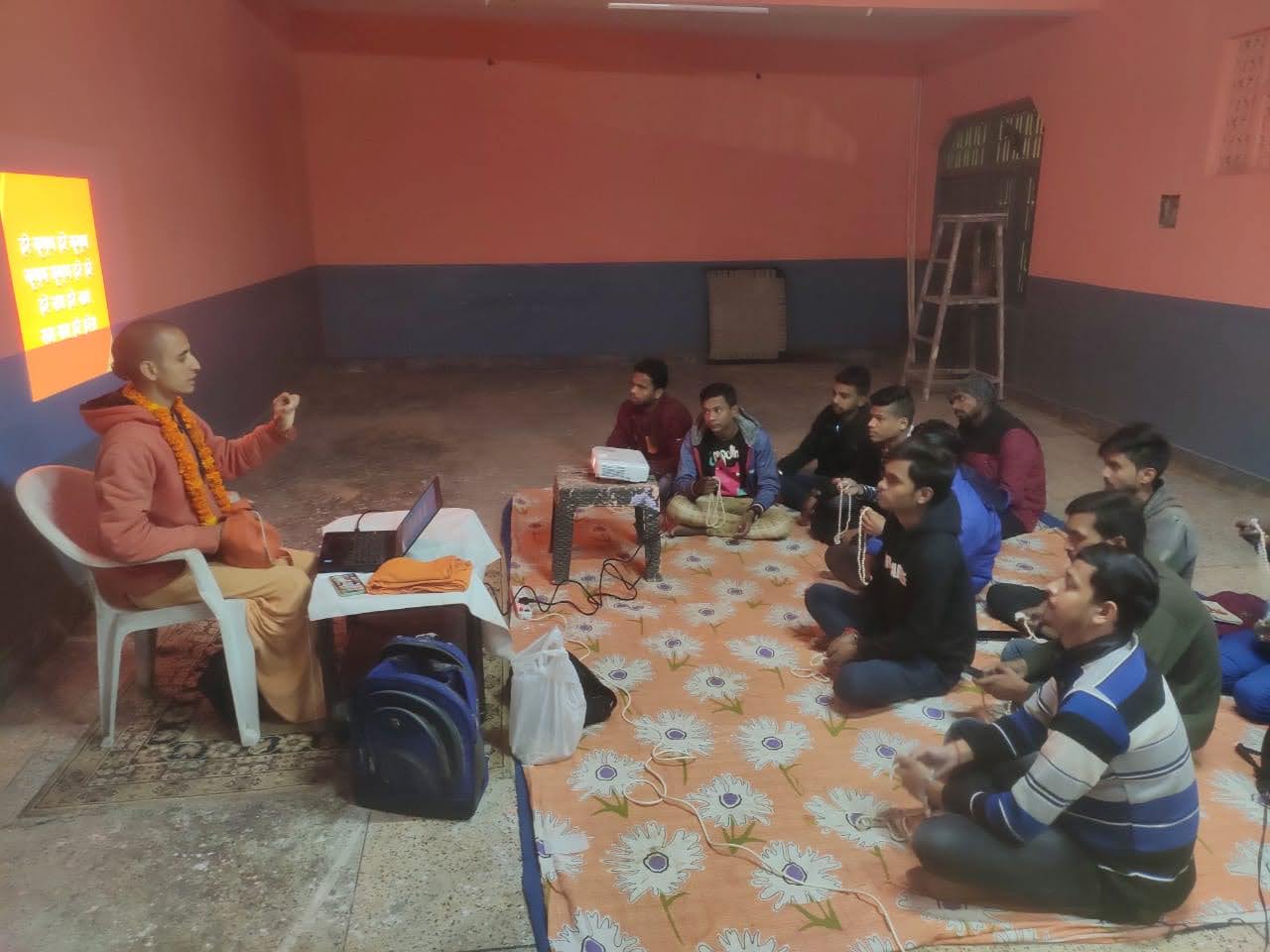
From Natural Faith to Spiritual Commitment
The youth of these small towns come from humble, culturally rooted backgrounds with natural faith in Krishna. Many belong to middle-class or economically modest families and are engaged as students, small shopkeepers, or young professionals beginning to shape their future. Their academic exposure may sometimes be limited, and they are not always closely connected to the technological world that defines modern urban life.
"They are already convinced about God," he explains. "We don't need to intellectually convince them. Their hearts are pure and receptive."
Because of this simplicity and openness, devotional practices take root quickly. When they are introduced to chanting and devotional association, they respond with sincerity and enthusiasm.
Rather than beginning with heavy philosophical discussions, the preaching approach focuses on engaging youth directly in devotional service. The emphasis is on creating meaningful spiritual experiences, allowing understanding to develop naturally through practice rather than theory alone.
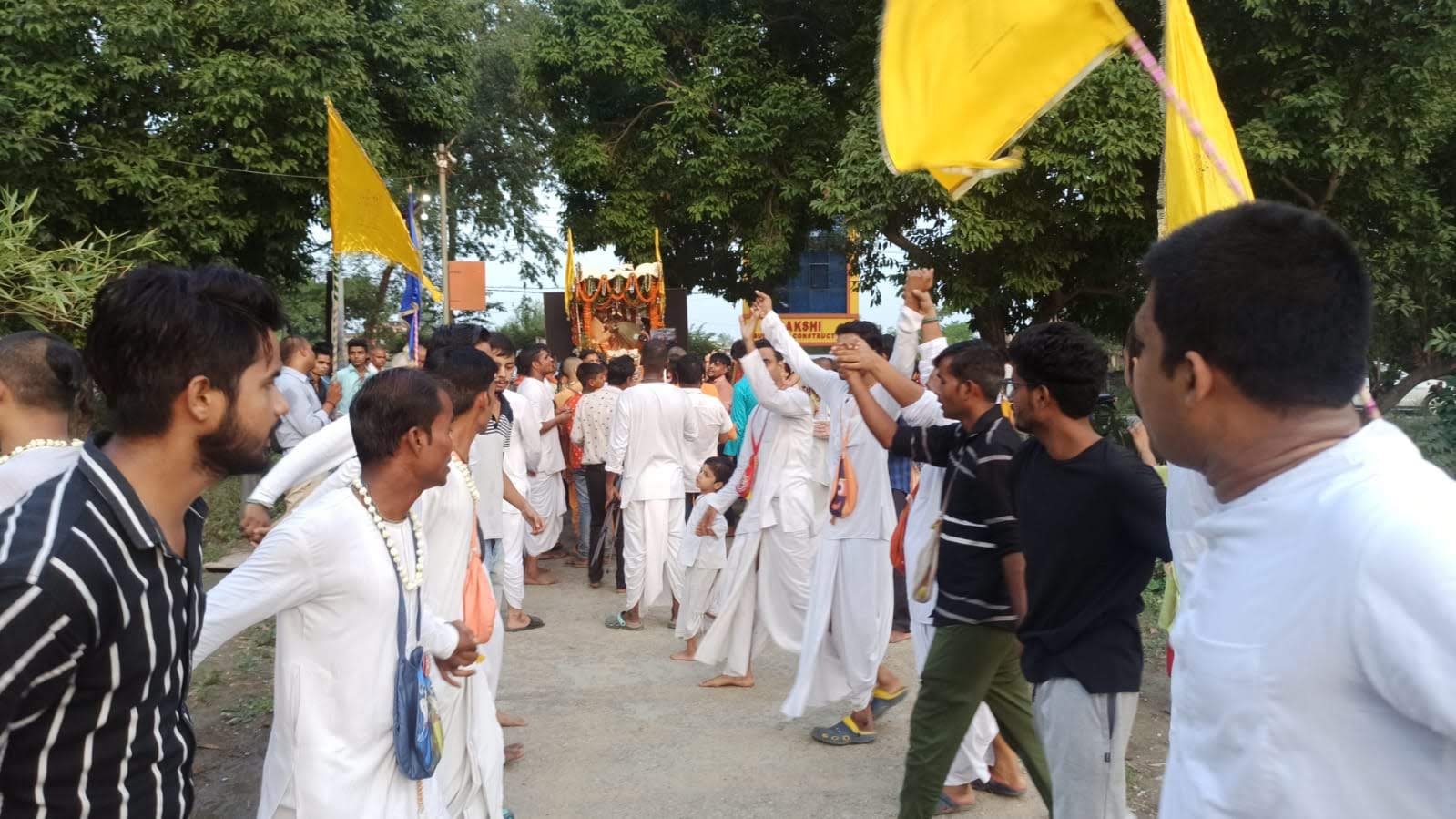
The key elements of this model include Harinam Sankirtan (congregational chanting), encouragement in personal japa chanting, warm personal association, prasadam distribution, temple-based gatherings, and consistent personal care and mentorship. These activities provide a welcoming and supportive environment where young people feel valued and spiritually nourished.
"When they chant and associate, realization comes naturally," he shares. Instead of intellectual persuasion, transformation unfolds through sincere participation.
He observes that nearly half of the youth initially feel attracted simply through association with devotees and the welcoming spiritual environment.
Building a Sustainable Preaching Structure
The structure functions through a simple yet effective hierarchy. Senior leadership provides overall guidance and direction, while area leaders oversee preaching efforts across different regions. Facilitators take responsibility for smaller groups, maintaining close personal connection with participants, and at the foundation are the frontline youth themselves, who naturally help connect and welcome newer students.
Currently, in Bareilly alone, nearly 150 youth are connected through about seven facilitators. Each facilitator personally cares for a small group, offering guidance, encouragement, and steady association. Selection is not based on academic achievement or external qualifications, but on sincerity, steadiness, and a genuine desire to serve.
"Even one or two years of sincere devotional life, combined with a service mood, is enough to begin caring for others," he explains.
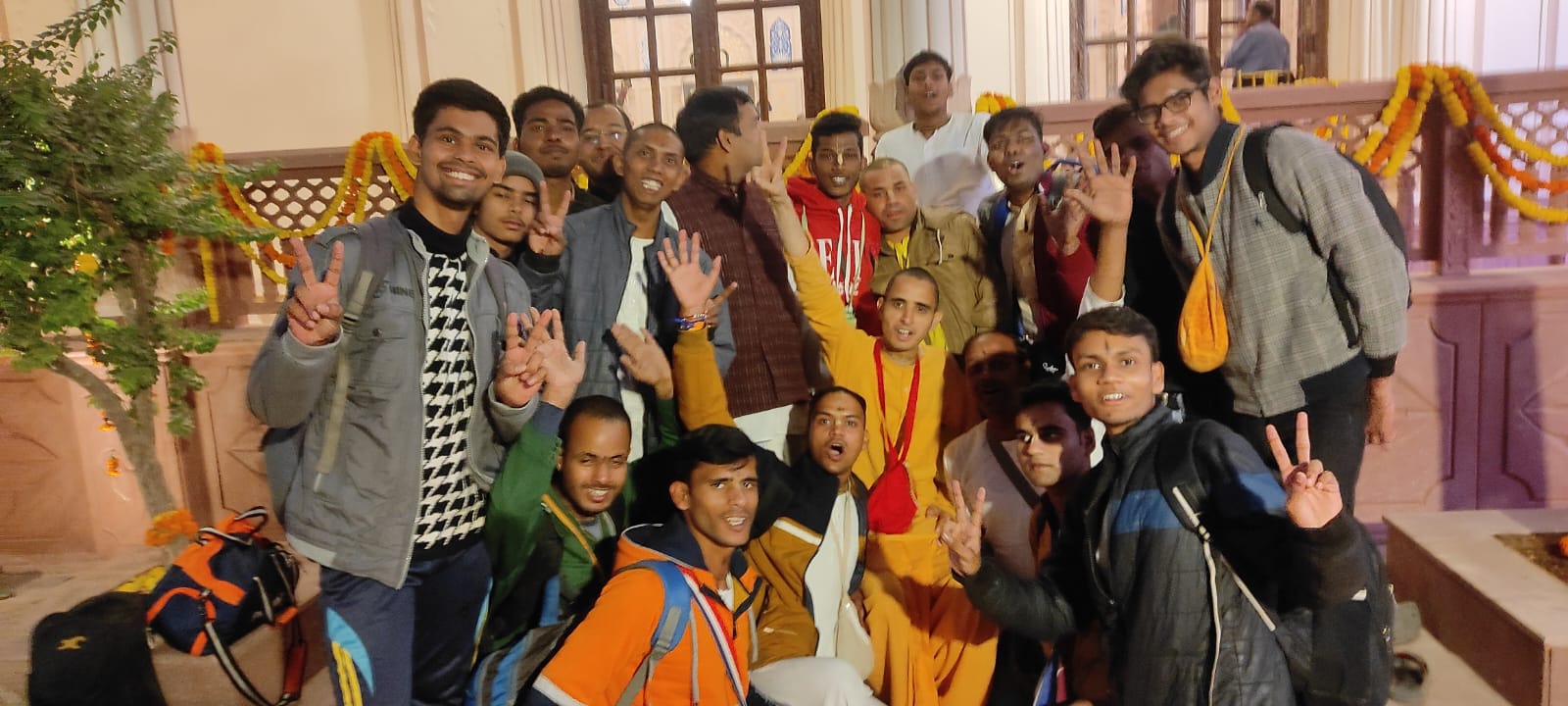
This preaching effort expands primarily through personal connection rather than formal outreach systems. Inspired youth naturally bring their friends, and growth happens through trust, transformation, and meaningful relationships. Festivals, temple programs, and regular association help strengthen these bonds. "We focus on people, not statistics," he shares. Over time, this sincere and personal approach has led not only to increasing numbers, but also to deeper commitment where the youth steadily improve their spiritual practices, take responsibility, and in some cases, dedicate their lives fully for service.
Regular training, mentorship, and leadership development further strengthen this foundation. In this way, those who are cared for gradually grow into caregivers themselves, creating a natural and sustainable cycle of spiritual growth.
Training and Leadership Development
As the outreach expanded, it became increasingly important to ensure that growth was supported by depth and maturity. For this reason, regular training plays a central role in the development of facilitators and committed youth. The focus is not merely on increasing participation, but on cultivating spiritually grounded individuals who can responsibly guide others.
Training sessions are conducted periodically to strengthen personal sadhana, deepen understanding of foundational philosophy, and refine practical skills required for mentorship. Facilitators are guided on how to conduct small group discussions, maintain personal follow-ups, address common challenges faced by youth, and create a welcoming devotional atmosphere. Emphasis is placed on leading by example ensuring that one's own hearing, chanting, and devotional discipline remain steady.
These sessions also provide a platform for reflection and alignment with senior guidance. Through open discussion and shared experiences, facilitators learn from one another, gain clarity in their service, and develop confidence in caring for others. Over time, this systematic training has ensured that expansion is not merely numerical but rooted in strong spiritual foundations.
By investing in consistent leadership development, the initiative safeguards its long-term sustainability. Those who were once participants gradually mature into dependable caregivers, creating a self-strengthening cycle of guidance, responsibility, and devotional growth.
Roadmap of a Devotee's Growth
- Initial Association
- Regular Engagement
- Stabilization in Sadhana
- Service Responsibility
- Facilitator Training
- Lifelong Contribution
Infrastructure and Resource Development
In the early days, one of the major challenges was the lack of proper infrastructure. There was no dedicated hall, kitchen, or seminar space to regularly host youth programs. Most activities had to be conducted with limited resources.
Gradually, through sincere effort and encouragement from senior Vaishnavas, a proper seminar hall and preaching facility were established. This became a turning point for the youth preaching efforts. It provided a safe and welcoming spiritual environment where young participants could gather regularly, associate with devotees, and engage in devotional practices without hesitation.
The availability of a proper space also allowed for systematic training programs, organized discussions, and regular prasadam preparation and distribution. These facilities brought stability and consistency to the preaching efforts, creating an atmosphere where youth could comfortably return, participate, and deepen their spiritual journey.
Challenges Along the Way
Like any meaningful preaching service, this journey has come with its own set of challenges. Each obstacle required patience, cooperation, and dependence on senior guidance and Krishna's mercy.
One of the foremost challenges was funding limitations. In the early stages, resources were minimal, and there was no assured financial structure to support regular programs, prasadam distribution, or infrastructure development. Rather than waiting for ideal conditions, the devotees began with whatever was available. Programs were kept simple, and gradual support from well-wishers and senior devotees helped strengthen the foundation over time.
Management coordination was another important area of growth. As the number of connected youth increased, organizing programs, maintaining discipline, and ensuring proper follow-up required a more systematic approach. To address this, a facilitator-based structure was developed, where responsible and sincere youth were gradually trained to care for smaller groups. This decentralized model allowed personal attention to continue even as the outreach expanded.
Balancing the relationship between the youth and the temple system also required sensitivity. Many young participants were new to structured devotional life and needed encouragement, not pressure. The focus was therefore placed on building trust, allowing relationships to develop naturally through association, service, and personal care. This helped the youth feel welcomed and inspired rather than obligated.
Another practical challenge was tracking individual spiritual progress. Since each youth was at a different stage of spiritual development, it was important to ensure that no one was neglected. Regular facilitator reports, personal conversations, and weekly updates helped maintain continuity. This ensured that each individual received guidance according to his capacity and level of commitment.
Additionally, many youth came from non-technical and rural backgrounds, where digital communication and formal reporting systems were not always effective. Instead of depending heavily on technology, the preaching relied primarily on personal relationships, phone calls, and in-person meetings. This personal approach proved far more effective in maintaining long-term connection and genuine spiritual growth.
Through these challenges, the preaching effort became stronger and more refined. Each obstacle helped develop maturity, cooperation, and dependence on Vaishnava guidance. What began with limited resources gradually evolved into a stable and growing structure, sustained by sincere relationships and a shared spirit of service.
Transformational Impact
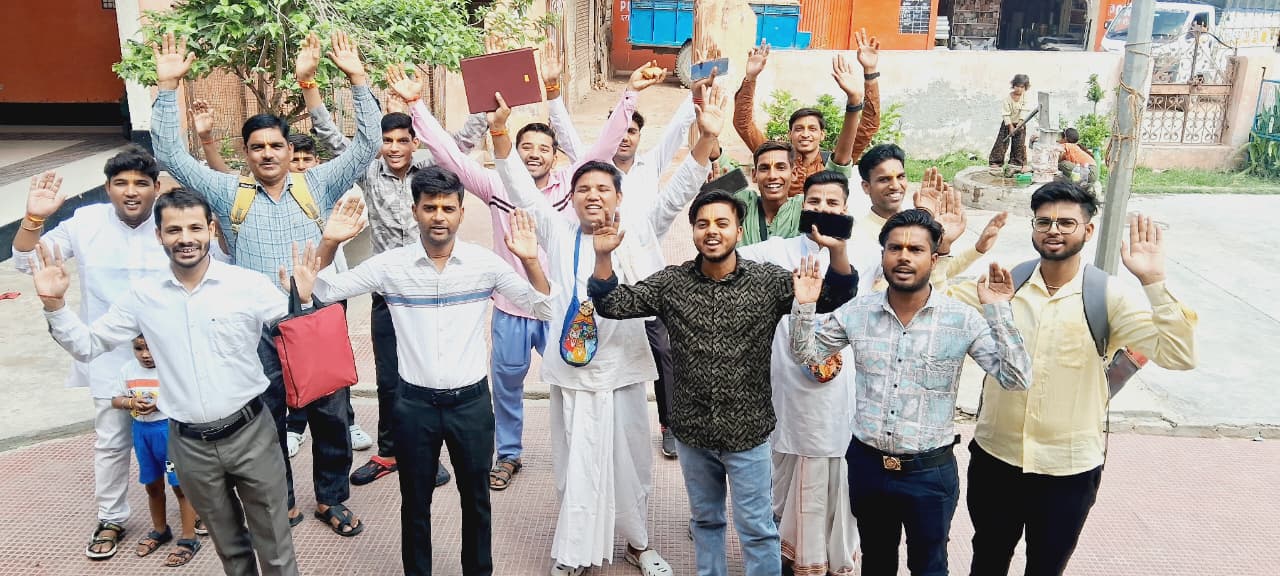
Krishna's holy names transform lives and by the mercy of Srila Prabhupada many youth who were once uncertain about their future are able to find direction, purpose, and inner strength. Some were able to leave harmful habits, while others discovered stability, hope, and a sense of belonging through devotional association. Reflecting on this, he shared, "Some youth who were deeply depressed, even suicidal, found new life through Krishna consciousness."
At the heart of this entire effort lies one essential principle: genuine care. While facilities, programs, and systems provide necessary support, real transformation happens through relationships. When youth feel valued, understood, and spiritually nourished, their growth unfolds naturally and steadily. He emphasizes that facilitators must first strengthen their own spiritual foundation through sincere hearing, chanting, and proper association. Only when one is personally nourished can one truly nourish others. In this way, strong sadhana becomes the root of strong and effective preachers.
Vision for the Future
The vision for the future is both clear and deeply inspiring. The effort aims to gradually expand into more districts, while carefully developing trained and responsible facilitators who can guide others with maturity and compassion. The goal is not merely numerical growth, but the creation of strong devotional communities where youth can discover their spiritual identity and develop a meaningful connection with Krishna. In time, some may dedicate their entire lives to devotional service, while others will carry Krishna consciousness into their families, professions, and social circles. Both paths are equally valuable, as each transformed heart becomes a source of spiritual strength and inspiration for many others.
This youth preaching effort stands as a powerful reminder that genuine spiritual transformation does not depend on sophisticated technology, large funding, or impressive infrastructure. At its core, it rests on sincerity, personal care, and firm faith in the transformative power of Krishna's holy name. Through the core practices of Krishna Consciousness many young lives are gradually being uplifted.
In towns and villages often untouched by organized outreach, a quiet spiritual awakening is taking place. It grows naturally through relationships, trust, and steady guidance. One heart at a time, one relationship at a time, and one sincere devotee at a time, the mission continues to expand, carried forward by faith, service, and the timeless process given by our acharyas.